Business Intelligence and Strategic Forecasting: 120829, 120921493, 418927502, 610876091, 604373718, 613967754
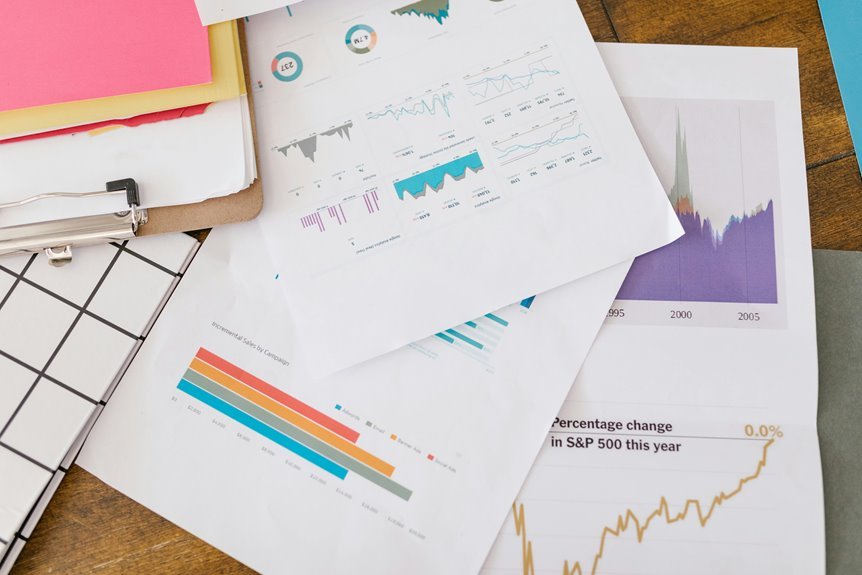
Business intelligence (BI) and strategic forecasting play pivotal roles in helping organizations leverage data for informed decision-making. By employing predictive analytics, companies can identify emerging market trends and optimize resource allocation. Furthermore, effective data visualization enhances the clarity of insights, fostering communication among stakeholders. However, the challenge remains in effectively integrating these strategies to drive sustainable growth and maintain a competitive edge. What methodologies can businesses adopt to navigate this complex landscape?
Understanding Business Intelligence: Key Concepts and Benefits
Business intelligence (BI) serves as a critical framework for organizations aiming to transform data into actionable insights.
By leveraging data visualization, BI enhances understanding of complex datasets, making trends more discernible.
Predictive analytics further empowers organizations to forecast future outcomes based on historical data.
Together, these components facilitate informed decision-making, ultimately fostering an environment where data-driven strategies can flourish, promoting organizational freedom and adaptability.
The Role of Strategic Forecasting in Decision Making
Although organizations often face uncertainty in their operating environments, strategic forecasting provides a systematic approach to navigate these challenges effectively.
By employing various forecasting methods, decision analysis can be enhanced, allowing leaders to evaluate potential outcomes and make informed choices.
This data-driven process empowers organizations to anticipate market trends, allocate resources efficiently, and ultimately improve their strategic positioning in a competitive landscape.
Analyzing Data Identifiers: Uncovering Patterns and Trends
Identifying and analyzing data patterns is crucial for organizations seeking to harness insights from their information landscape.
Through effective data visualization, companies can highlight trends and anomalies, enabling better decision-making.
Predictive analytics further enhances this process by forecasting potential outcomes based on historical data, allowing businesses to adapt strategies proactively.
This analytical approach empowers organizations to navigate complexities with greater confidence and agility.
Implementing BI and Forecasting Strategies for Business Growth
Implementing effective business intelligence (BI) and forecasting strategies is essential for organizations aiming to drive growth and enhance operational efficiency.
Utilizing data visualization techniques enables stakeholders to interpret complex data easily, while predictive analytics models forecast future trends accurately.
Together, these tools empower businesses to make informed decisions, optimize resources, and adapt to market changes, ultimately fostering sustainable growth and innovation.
Conclusion
In conclusion, the integration of Business Intelligence and strategic forecasting equips organizations to harness data effectively, driving informed decision-making and enhancing competitive advantage. For instance, a retail company utilizing predictive analytics to anticipate seasonal demand fluctuations can optimize inventory management, reducing costs and improving customer satisfaction. This data-driven approach not only fosters growth but also positions businesses to adapt proactively to market changes, ultimately leading to sustained operational efficiency and innovation.