Building DApps Step-by-Step
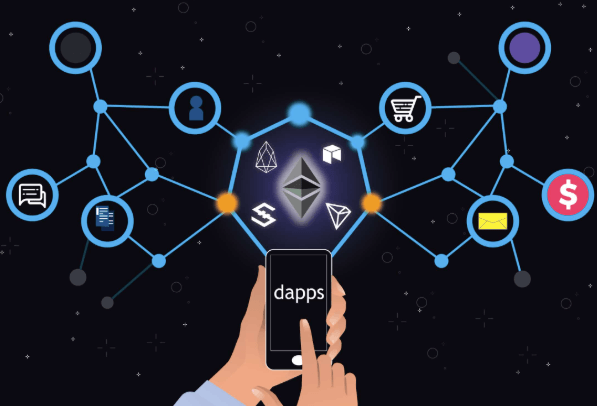
Building DApps Step-by-Step presents a practical flow: choose a blockchain, assemble a solid dev stack, and establish a reproducible workflow. Core functionality is defined, smart contracts are written and tested, then deployed to a testnet with continuous audits. Security, UX, and decentralized storage are weighed, zero-trust audits considered, and client-side control prioritized. The approach remains disciplined and modular, ready to adapt as feedback and challenges emerge, inviting a careful continuation to cement robustness and autonomy.
What Are DApps and Why They Matter
DApps, or decentralized applications, run on blockchain networks rather than a single centralized server, enabling open access, tamper resistance, and automated trust through smart contracts.
What are dapps, why they matter, and how dapps architecture supports autonomy and resilience.
They shift control from gatekeepers to participants, reducing censorship and single points of failure, illustrating why they matter for secure, transparent digital ecosystems.
Set Up Your Dev Environment for Smart Contracts
Setting up a development environment for smart contracts requires selecting the appropriate tools, languages, and test networks, then configuring them for reliable compilation, deployment, and debugging. The setup prioritizes reproducibility, security, and speed, aligning with scaling considerations. It also embeds auditing practices early, enabling continuous verification and risk assessment while keeping workflows flexible, modular, and freedom-minded for developers.
Build, Test, and Deploy Your First DApp
Building, testing, and deploying a first DApp requires a disciplined workflow: implement core functionality, verify it with targeted tests, and deploy to a chosen network with careful configuration.
The process emphasizes security auditing throughout development and a focus on user experience, ensuring reliable interactions, clear feedback, and resilient error handling while maintaining freedom to iterate and improve on design choices.
Improve Security, UX, and Decentralized Storage Choices
A disciplined approach to improve security, user experience, and decentralized storage choices begins by clarifying risk, UX goals, and storage requirements before selecting concrete implementations.
The discussion emphasizes secure coding practices and clear threat modeling, balancing frictionless interaction with robust protection.
Private storage selections prioritize client-side control and encryption, ensuring user sovereignty while preserving transparency, performance, and interoperability across decentralized architectures.
See also: Data Visualization Techniques That Matter
Frequently Asked Questions
How Do DAPPS Differ From Traditional Web Apps in Practice?
DApps differ from traditional web apps in practice by leveraging dApp architecture and blockchain consensus, reducing central control. User experience centers on trustless interactions, immutability, and transparency, while developers balance latency, security, and familiar UX within a permissionless ecosystem.
Which Blockchain Networks Are Best for Different DAPP Types?
Choosing EVM vs Non EVM networks; Layer 1 vs Layer 2 scaling tradeoffs guide network choice for dapp types. The detached analyst notes pragmatic distinctions, balancing developer familiarity, security, throughput, and freedom to innovate across ecosystems.
What Are Common Gas and Cost Considerations for Users?
Gas costs and user slippage influence user experience; fee estimation UX remains critical. The detached observer notes networks’ volatility, prioritizing predictable costs, transparent tips, and timely updates to minimize surprise while preserving user autonomy and freedom.
How Do You Handle Data Privacy on a Decentralized App?
Data privacy in a decentralized app relies on explicit user consent and robust data provenance controls, ensuring verifiable handling practices. The approach favors transparency, minimizes data retention, and delegates consent management to users while preserving system integrity and freedom.
What Governance Models Work Well for DAPPS?
Governance models emphasizing token-based voting and proportional influence work well; governance tokenization aligns incentives, while minimizing centralized control, though voting latency can hinder timely decisions. The approach favors freedom-minded communities, balancing participation with pragmatic governance constraints.
Conclusion
In summary, DApp development demands a disciplined, repeatable workflow: choose the stack, establish a reproducible dev setup, write tested smart contracts, and deploy on testnets with continuous audits. Prioritize security, UX, and decentralized storage, iterating based on real feedback. The process echoes a well-tuned engine—precise, transparent, and autonomous—driving trustworthy interactions. Like a locksmith with a modern toolkit, the builder crafts resilient, user-friendly systems that endure evolving threats and expectations.