Building a Practical Lifestyle Wardrobe: Essential Clothing for Modern Consumers
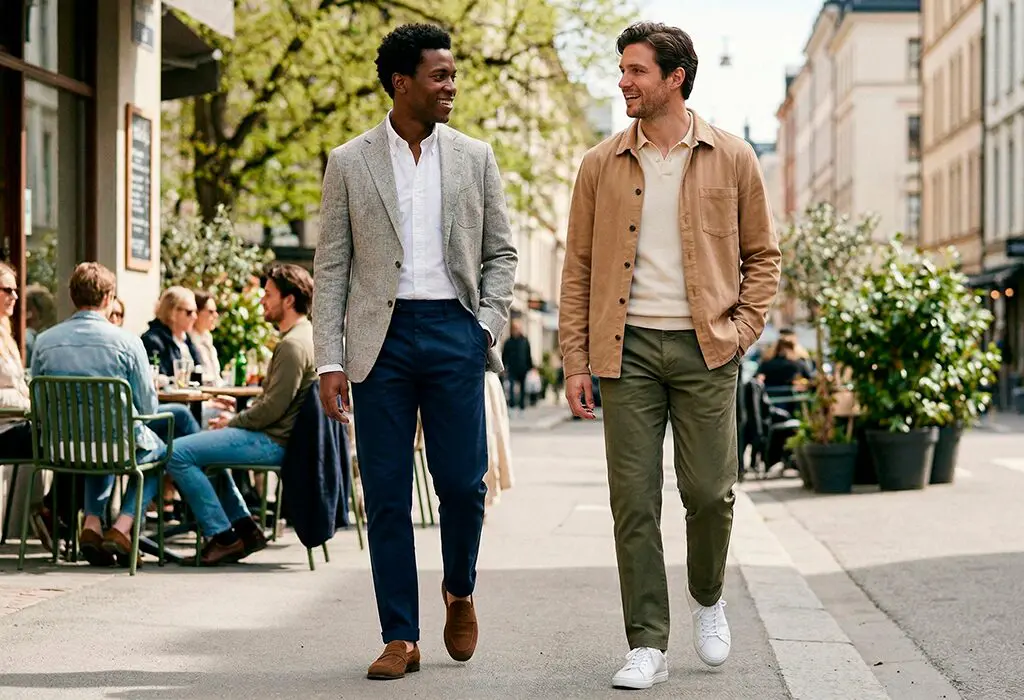
A practical wardrobe is not necessarily about owning a large number of clothes. It is about choosing garments that serve different purposes, feel comfortable, and work well together. Modern consumers increasingly value clothing that fits their everyday routines while allowing them to maintain an individual sense of style.
From relaxed outfits at home to casual looks for outdoor activities, versatile apparel makes daily dressing more convenient. The right combination of trousers, tops, outerwear, and accessories can provide several outfit possibilities without requiring an extensive collection.
What Makes a Wardrobe Practical?
A practical wardrobe contains clothing that can be worn regularly and combined in different ways. Instead of purchasing items simply because they are fashionable, consumers can focus on garments that offer long-term usefulness.
Several factors contribute to a practical clothing collection:
- Comfort: Clothing should feel suitable for the activities it is intended for.
- Versatility: Individual pieces should work with different outfits.
- Fit: Proper sizing can improve both comfort and appearance.
- Quality: Materials and construction should be appropriate for regular use.
- Easy coordination: Colors and designs should complement other wardrobe essentials.
Considering these factors can help consumers make more thoughtful clothing decisions.
Understanding the Value of Comfortable Bottomwear
Bottomwear is one of the most frequently used categories in a casual wardrobe. Customers often look for trousers that allow comfortable movement while matching their preferred style.
The choice of material can make a noticeable difference. Some fabrics are better suited to warm weather, while others provide additional warmth for cooler conditions.
Fleece Pants are worth considering for people who prefer soft, relaxed clothing. They can be useful for home wear, travel, casual activities, and comfortable everyday outfits.
When comparing different options, shoppers should look at fabric composition, thickness, waistband construction, available sizes, and care requirements. These details help determine whether the garment is appropriate for their intended use.
Choosing Clothing According to Your Daily Routine
Different lifestyles require different clothing combinations. Someone who spends much of the day travelling may prefer flexible garments, while a person who works from home may prioritize soft fabrics and relaxed fits.
For outdoor activities, customers may prefer clothing that allows easy movement and works well with suitable footwear. For relaxed indoor use, simple trousers and comfortable tops may be sufficient.
It is useful to consider the activities a garment will support before making a purchase. This reduces unnecessary shopping and helps build a wardrobe around genuine needs.
The Importance of Fit and Proportion
A well-balanced outfit depends on more than individual clothing items. The relationship between different garment shapes and proportions also matters.
For example, relaxed trousers can be paired with a slightly fitted top to create contrast. Alternatively, an oversized sweatshirt can work with tapered trousers for a balanced casual appearance.
Consumers should also consider garment length and waist placement. Trousers that fit properly can improve the overall appearance of an outfit, while suitable top lengths can make different silhouettes look more coordinated.
Personal preference remains important, as there is no single fit that works for everyone.
Headwear as a Functional Fashion Accessory
Accessories can make a wardrobe more adaptable. Headwear, in particular, offers an easy way to introduce a different visual element into casual clothing.
Caps are available in many styles, including baseball caps, snapbacks, trucker hats, and structured designs. Each option can create a slightly different appearance.
Some people choose headwear mainly for styling, while others appreciate its practical role during outdoor activities. In either case, fit, material, and construction should be considered before purchasing.
Why Six-Panel Cap Designs Remain Relevant
The construction of a cap influences its shape and overall appearance. 6 Panel Hats are made using six fabric sections that come together to form the crown.
This familiar design can work with many casual clothing combinations. Depending on the specific product, shoppers may find different brim shapes, materials, closures, and decorative details.
When choosing a cap, consider:
Crown shape: The design should suit the wearer’s preferred appearance and fit.
Material: Fabric choice can influence comfort, texture, and maintenance.
Closure system: Adjustable options may help provide a more flexible fit.
Stitching: Neat construction contributes to the overall finish.
Color: Neutral shades are easy to coordinate, while brighter designs can create a statement.
These details can help customers select headwear that complements their existing wardrobe.
How to Create More Outfit Combinations with Fewer Items
A useful wardrobe can provide variety without requiring many separate garments. The key is selecting items that coordinate naturally.
For example, a pair of neutral trousers can work with several different tops. A simple sweatshirt may be worn with casual pants, while a basic T-shirt can be combined with different outerwear options.
Accessories can further expand these combinations. A classic cap may work with multiple outfits, making it a useful addition to a casual collection.
One practical approach is to choose a consistent color palette. Black, grey, white, navy, and beige can serve as foundation shades, while occasional brighter colors add personality.
See also: Cedar vs Heat-Treated Hemlock for a 4 Person Sauna
Smart Shopping Decisions for Clothing Consumers
Purchasing clothing thoughtfully can help consumers avoid items that remain unused in their wardrobes.
Before buying a product, consider its intended purpose and how often it is likely to be worn. Review the fabric details, size chart, product photographs, and care instructions.
It can also be helpful to compare similar garments rather than making decisions based only on appearance. Two products may look alike but differ in material, fit, and construction.
A clear understanding of personal needs makes shopping more efficient and helps consumers choose items they can use regularly.
What Clothing Retailers Can Learn from Changing Consumer Needs
Retailers can improve their product selections by paying attention to how customers use clothing in everyday life.
Many shoppers want practical products that can fit several situations. This creates opportunities for businesses to offer comfortable basics, seasonal garments, and accessories that complement one another.
Retailers should consider the following when planning their collections:
- Study the preferences of their target audience.
- Include different sizes and fits where available.
- Select colors that are easy to coordinate.
- Evaluate product construction and fabric details.
- Provide accurate descriptions and care instructions.
- Review customer feedback to identify popular styles.
A customer-focused collection can make product selection easier and encourage shoppers to explore different categories.
Conclusion
Building a practical wardrobe starts with understanding personal needs and choosing clothing that offers comfort, versatility, and suitable construction. Relaxed trousers provide an everyday foundation, while carefully selected headwear adds another styling option.
Fleece trousers and six-panel caps can both contribute to casual clothing combinations when their designs, colors, and fits suit the wearer. By focusing on useful essentials rather than unnecessary purchases, consumers can develop a wardrobe that supports their lifestyle and personal fashion preferences.