Strategic Business Planning and Market Insights: 8559731040, 570010280, 604010253, 633064150, 211206990, 692133716
Strategic business planning requires a deep understanding of market insights, particularly through the analysis of key data points such as 8559731040 and 570010280. These figures illuminate critical demographic and psychographic trends that can shape decision-making. By harnessing this intelligence, businesses can align their strategies with consumer behavior and market demands. However, the question remains: how can organizations effectively translate these insights into actionable plans that drive sustainable growth?
Understanding Market Data and Its Importance
While many businesses recognize the necessity of market data, few fully comprehend its pivotal role in strategic planning.
Understanding market segmentation is essential for tailoring products and services to meet diverse consumer behavior. By analyzing demographic and psychographic factors, organizations can identify target audiences more effectively, thereby enhancing decision-making processes and fostering a competitive edge in an ever-evolving marketplace.
Key Trends Identified From Data Analysis
Analyzing market data reveals significant trends that can shape strategic business decisions.
Notably, shifts in consumer behavior highlight preferences for personalized experiences, driving the need for effective market segmentation. Companies that leverage these insights can better align their offerings with evolving demands, fostering customer loyalty.
This adaptive approach not only enhances competitiveness but also empowers businesses to thrive in dynamic market environments.
Strategic Planning Based on Market Insights
Effective strategic planning necessitates a keen understanding of market insights, as these insights provide a foundation for informed decision-making.
By leveraging business forecasting and market segmentation, organizations can identify emerging trends and consumer preferences, enabling them to align their strategies effectively.
This approach not only enhances operational efficiency but also empowers businesses to respond proactively to market dynamics, fostering long-term growth and sustainability.
Leveraging Data for Competitive Advantage
As organizations navigate an increasingly competitive landscape, the strategic use of data emerges as a critical factor for gaining a competitive advantage.
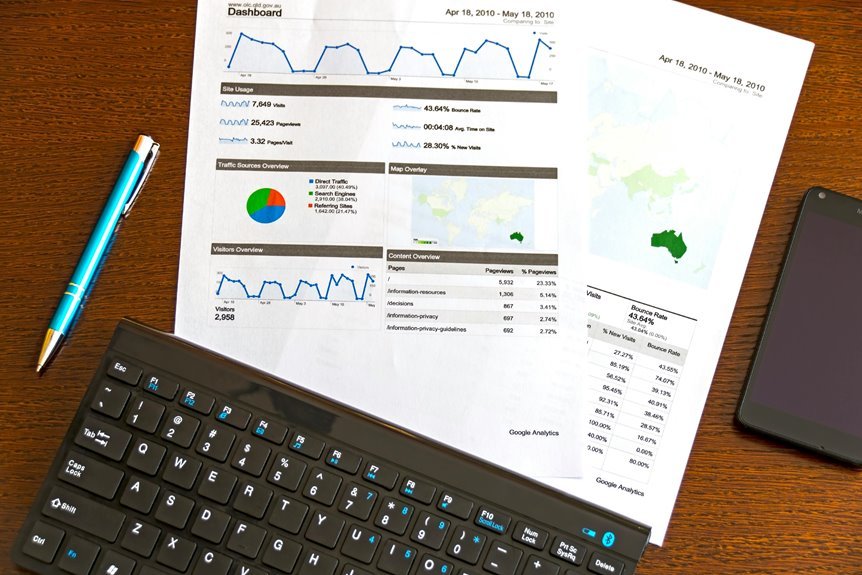
Employing data visualization techniques allows businesses to interpret complex information swiftly, while predictive analytics facilitates informed decision-making by forecasting trends.
Conclusion
In the realm of strategic business planning, the juxtaposition of raw market data and actionable insights creates a powerful dynamic. While data points like 8559731040 and 570010280 may appear as mere numbers, they transform into invaluable narratives that shape business strategies. By aligning operational tactics with consumer preferences and emerging trends, companies not only navigate the complexities of the market but also carve out competitive advantages that ensure sustained growth. Thus, data and insight become two sides of the same coin in successful planning.