Evaluating Business Performance and Growth Metrics: 935217989, 8181564444, 120994560, 646213025, 6312107131, 917246465

Evaluating business performance and growth metrics is a critical endeavor for organizations aiming to refine their strategies. By examining key performance indicators (KPIs) and growth metrics, firms can uncover valuable insights into their operational strengths and weaknesses. This analytical approach not only informs decision-making but also fosters a culture of continuous improvement. However, the challenge lies in effectively interpreting complex data sets and aligning them with organizational objectives. What implications do these evaluations hold for future business strategies?
Understanding Key Performance Indicators (KPIs)
Key Performance Indicators (KPIs) serve as essential metrics for evaluating business performance and guiding strategic decision-making.
Understanding KPI definitions and their importance allows organizations to select relevant examples for effective KPI tracking.
However, challenges such as misalignment can hinder success.
Fostering KPI alignment across departments enhances strategic focus, ultimately empowering businesses to thrive while ensuring freedom to innovate and adapt.
Analyzing Growth Metrics for Business Success
Although various factors contribute to a business’s overall health, analyzing growth metrics remains crucial for understanding its trajectory and potential for success.
By assessing growth trends alongside established performance benchmarks, organizations can identify strengths and weaknesses.
This strategic evaluation enables informed decision-making, fostering adaptability and innovation while ensuring that businesses remain aligned with their goals and the dynamic market landscape.
Utilizing Quantitative Data for Strategic Decisions
A significant amount of decision-making in business relies on quantitative data, which serves as a foundation for strategic planning and operational adjustments.
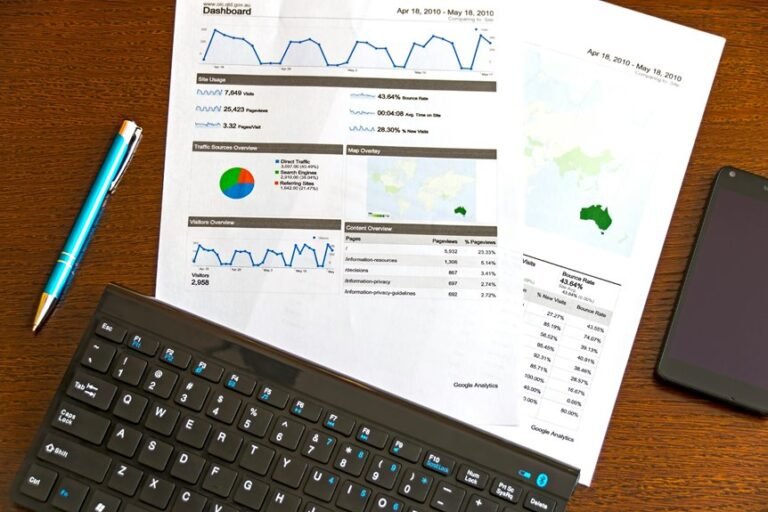
Data visualization tools enable stakeholders to interpret complex datasets, identifying trends and insights.
The Role of Data-Driven Insights in Business Evaluation
Data-driven insights play a pivotal role in the evaluation of business performance, as they transform raw information into actionable intelligence.
Through robust data analysis, organizations can identify key performance metrics that reveal strengths and weaknesses.
This strategic approach empowers businesses to make informed decisions, fostering agility and adaptability in a rapidly changing market landscape, ultimately enhancing overall operational effectiveness and growth potential.
Conclusion
In conclusion, the relentless pursuit of business performance evaluation and growth metrics is nothing short of a corporate crusade, transforming organizations into titans of industry. By meticulously analyzing KPIs and leveraging quantitative data, companies not only unearth hidden opportunities but also orchestrate a symphony of strategic decisions that can propel them to unprecedented heights. This unwavering commitment to data-driven insights is the golden key, unlocking the door to unparalleled operational effectiveness and monumental, sustained growth in an increasingly cutthroat marketplace.