Crypto Mining Explained: How It Works and Is It Still Profitable?
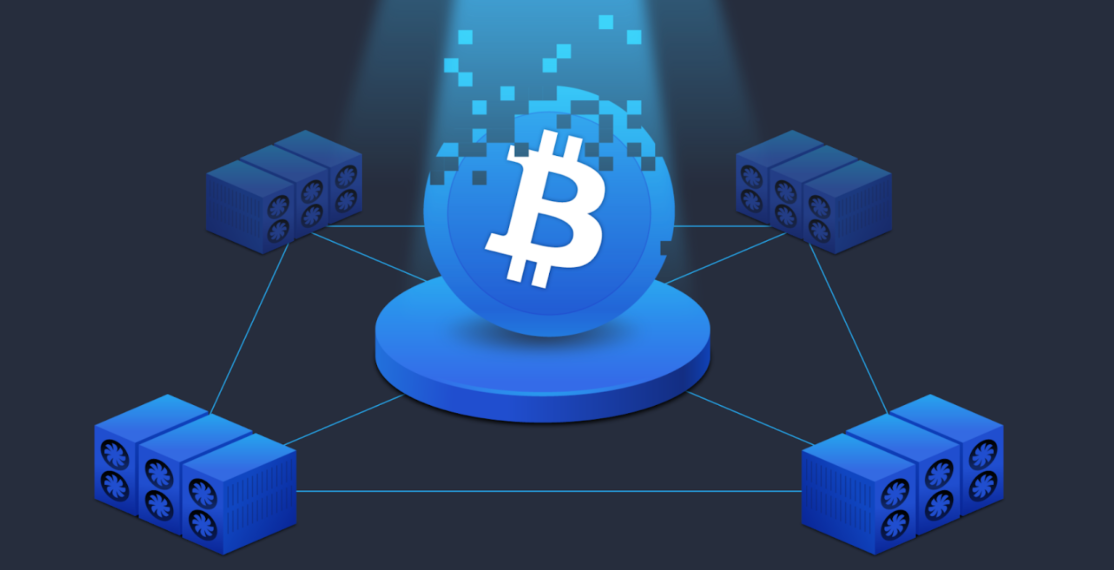
Crypto mining serves as a crucial mechanism for generating new cryptocurrencies and validating transactions within blockchain ecosystems. This intricate process involves miners leveraging computational power to solve cryptographic puzzles, ensuring network security and integrity. However, the landscape of mining profitability is evolving, influenced by rising energy costs, hardware advancements, and volatile markets. As the industry shifts towards sustainability, questions arise about the viability of mining in the current economic climate and its future implications.
What Is Cryptocurrency Mining?
Cryptocurrency mining is a fundamental process that enables the creation of new coins and secures transactions within blockchain networks.
Understanding blockchain basics is essential, as miners validate transactions through complex calculations, ensuring network integrity.
In return for their efforts, miners receive mining rewards, incentivizing participation.
This decentralized mechanism fosters financial autonomy, aligning with the ideals of those seeking freedom from traditional financial systems.
See also: cryptopronetwork
The Technology Behind Crypto Mining
While the concept of cryptocurrency mining may seem straightforward, the technology underpinning it is intricate and multifaceted.
At its core, blockchain technology facilitates a decentralized ledger, requiring robust mining hardware to solve complex cryptographic problems.
This hardware, ranging from GPUs to specialized ASICs, validates transactions and secures the network, ensuring the integrity and continuity of the cryptocurrency ecosystem while empowering users with financial autonomy.
Assessing Profitability in Today’s Market
As the cryptocurrency landscape evolves, miners must carefully evaluate various factors to determine the profitability of their operations.
Key profitability factors include energy costs, hardware efficiency, and current market volatility. Fluctuations in cryptocurrency prices can significantly impact returns, necessitating a thorough analysis of market trends and potential risks.
Miners must adapt strategies to navigate this complex and dynamic environment effectively.
Future Trends in Crypto Mining
Although the future of crypto mining remains uncertain, several emerging trends are poised to reshape the industry significantly.
Sustainable practices are gaining traction, as miners increasingly adopt renewable energy sources to mitigate environmental impact.
Additionally, AI integration is enhancing operational efficiency, enabling real-time data analysis and optimization of mining processes.
These advancements could lead to a more resilient and responsible mining ecosystem, catering to evolving market demands.
Conclusion
In conclusion, cryptocurrency mining serves as a cornerstone of decentralized finance, fostering innovation while challenging traditional economic structures. As miners navigate rising energy costs, fluctuating market dynamics, and the pressing need for sustainability, the landscape continues to evolve. By embracing renewable energy sources, optimizing hardware efficiency, and adapting to regulatory changes, the future of mining may hinge on both profitability and responsibility. Ultimately, the journey of crypto mining reflects a broader quest for financial autonomy and environmental stewardship.